
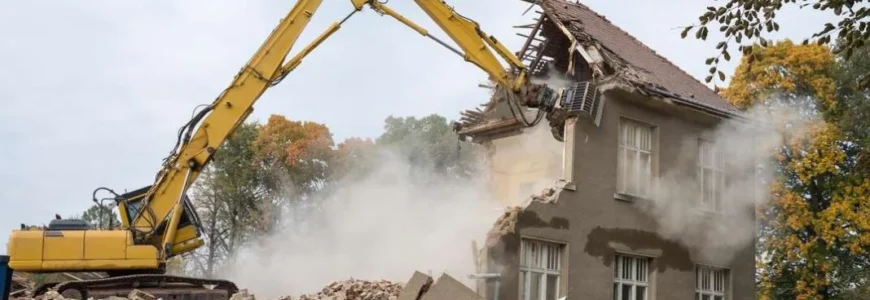
Demolition is a critical process in the construction and renovation industry, involving the systematic dismantling of buildings, structures, or other constructions to prepare for new developments. It plays a vital role in urban planning, allowing for the expansion of infrastructure, the rejuvenation of old sites, and the implementation of sustainable practices. As cities evolve and adapt to modern needs, demolition not only paves the way for new projects but also contributes to the efficient recycling and repurposing of materials, reducing waste and promoting environmental responsibility.
The methods and technologies used in demolition have advanced significantly over the years, ranging from traditional manual techniques to sophisticated machinery and controlled explosives. This evolution in approach ensures that demolition is conducted safely and efficiently, minimizing risks to workers and the surrounding environment. Understanding the various aspects of demolition, including planning, execution, and regulatory compliance, is essential for professionals in the industry, as well as for communities affected by such operations. Through this article, we will explore the intricacies of demolition, its significance in modern society, and the future trends shaping this integral facet of construction.
Demolition Techniques and Technologies
The evolution of demolition techniques has revolutionized the industry, enabling safer and more efficient approaches to dismantling structures. Modern demolition often employs advanced machinery like excavators equipped with hydraulic attachments, which allow for precise cutting and crushing of materials without excessive noise or dust. Additionally, controlled demolition techniques, such as implosion, utilize explosives to bring down large structures in a compact manner, minimizing damage to surrounding areas. With the increasing emphasis on sustainability, many demolition projects now focus on recycling materials, often facilitated by a skilled demolition contractor who can help assess which materials can be salvaged for reuse or repurposing.
Regulatory Compliance and Safety Measures
Ensuring compliance with local regulations and safety standards is crucial in the demolition process. Each project typically requires thorough planning and assessment to address potential hazards, including the presence of hazardous materials like asbestos or lead. Regulatory agencies oversee these operations to protect workers and the public, mandating proper training and the use of personal protective equipment (PPE). By adhering to established guidelines and employing comprehensive safety protocols, demolition professionals can mitigate risks and contribute to the overall success of construction and renovation projects.
In conclusion, demolition stands at the intersection of innovation and responsibility within the construction industry, serving not only as a means to clear the way for new developments but also as an opportunity to embrace sustainability and safety. As techniques and technologies continue to evolve, the importance of adhering to regulatory compliance and conducting thorough risk assessments becomes paramount. These advancements ensure that the demolition process is not only effective but also conscientious, prioritizing the health and well-being of workers and surrounding communities. Looking ahead, the future of demolition promises even greater efficiency and environmental consideration, as the industry embraces innovative methods and a commitment to recycling and material repurposing, ultimately shaping a more resilient and sustainable urban landscape.