
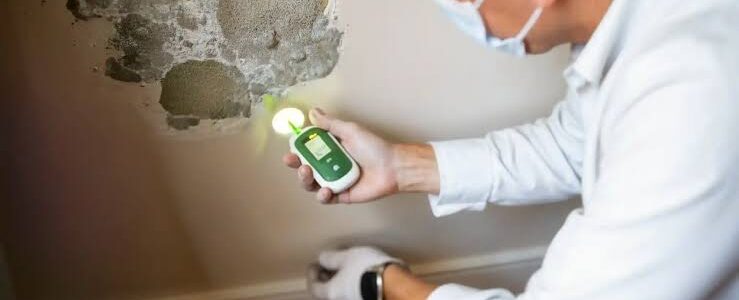
Mold testing is an essential step in maintaining a healthy indoor environment, as mold can pose significant health risks and structural damage to homes and buildings. Whether you’re a homeowner concerned about potential mold issues or a property manager tasked with ensuring a safe space for tenants, understanding the importance of mold testing can help you make informed decisions. This process involves various methods to detect the presence of mold spores, identify the type of mold, and assess the level of contamination in a given area.
In this article, we will explore the different types of mold testing available, the benefits of conducting these tests, and what to do if mold is found in your environment. From DIY kits to professional assessments, we’ll break down the options and provide guidance on making the best choices for your situation. By arming yourself with knowledge about mold testing, you can take proactive steps to protect your health and maintain the integrity of your property.
Types of Mold Testing
There are several methods for testing mold, each suited to different situations and levels of concern. One common approach is air sampling, where air is tested for mold spores, helping to determine if mold is present and its concentration in the environment. Surface sampling, on the other hand, involves collecting samples from visible mold or suspected contaminated surfaces, allowing for identification of the specific mold types. For quick assessments, homeowners might opt for DIY mold test kits, although these are generally less thorough than professional assessments. For those needing immediate results, services like same-day mold testing can provide swift evaluations and help in formulating a response to any detected issues.
Benefits of Mold Testing
Conducting mold testing offers numerous benefits that go beyond mere detection. It can provide peace of mind, particularly for individuals with health conditions that may be exacerbated by mold exposure. Identifying the type and level of mold present can inform necessary remediation strategies, ensuring that the approach taken is effective in addressing the specific mold issue at hand. Additionally, mold testing plays a crucial role in protecting property values; unresolved mold problems can lead to significant structural damage and costly repairs. By investing in mold testing, you not only safeguard your health but also uphold the integrity and value of your home or building.
In conclusion, mold testing is not just a precautionary measure but a vital component of maintaining a safe and healthy living or working environment. By understanding the different types of mold testing methods available and recognizing the myriad benefits they provide, you can take informed and proactive steps to address any potential mold concerns. Whether it’s through professional air or surface sampling or utilizing a DIY kit for initial assessments, the key is to address mold issues promptly to mitigate health risks and preserve the structural integrity of your property. Ultimately, being vigilant about mold testing empowers you to create a healthier space, safeguard your investments, and promote overall well-being for all occupants.